New Year, Old Friends

A study says that the average length of friendships is seven years. If your friendship makes it past the seven-year mark, then you will be friends for good. The friends I’m close with have been my friends since high school and my longest friendship is already twice as long as the average. My friends and I see each other without needing birthdays or other occasions as an excuse. We constantly chat over Facebook and Viber. I’ve traveled with most of them which I think all relationships should go through. I know their middle names and their parents’ names and they know mine.

I didn’t make many new friends in college because I had this group to hang out with. And if we weren’t hanging out, I was too comfortable being alone that I didn’t feel the need to find other people to replace them in their absence. Plus, social media wasn’t as big then so the FOMO (fear of missing out) when they hung out with other people wasn’t as crippling. Now I feel like having a big social network is such a major factor in our lives and that I need to grow mine.

The problem is I have trouble making new friends because I care too much about what people think of me. I make myself forgettable by stifling my personality because I don’t want them to think I’m bossy, opinionated or attention-seeking. People have said I don’t look approachable. I’m also uncomfortable with an acquaintance kind of friendship where all you do is have small talk and exchange compliments. The friendship I’m used to is insult-based; the closer we are, the coarser my language is toward you. When making friends, I just want to skip the awkward, “nice” stage and jump to a level of closeness where “Fuck you” means “You are hilarious and I love your sick humor.”

But when I really think about it, I might not be able to juggle many friends after all because I end up getting too invested in people’s lives. Plus, I will always want to do stuff with them like watch movies, eat out, shop, and travel. Just thinking about planning all those stuff with many sets of friends is exhausting.

Maintaining friendships with many people entails rationing the time you spend with each of them so that you have a constant presence in their lives. However, you might only end up as a filler friend to many people and a close friend to none.

I like and love my friends and I know that if I really needed them, they would drop whatever it is they’re doing to show up at my doorstep. But this doesn’t stop me from yearning for new ones. I’m still hoping for a feminist, atheist person who will share my love for American TV series, movies and shopping, someone who would regularly tell me that I’m amazing and is very vocal and sincere about his or her support of my dreams and outfits, someone who’s as clingy as I am, and someone who will challenge me to be a better person and vice versa. I still haven’t found one person who is all of those things. But the great thing about friends is that you don’t have to have only one.

Photo by Elaine Tacubanza

Pre-Travel Anxiety

After going on a vacation, most people get this feeling of longing for places they’ve just visited. Some call it “separation anxiety,” or #sepanx, as the kids would say. What I’ve experienced was the older, less popular sister of sepanx—pre-travel anxiety.

My friends and I went to Japan a few weeks ago. We had planned this trip since the beginning of the year; two years if you count the discussion we had at the end of our Korea trip in 2012.

This trip was a huge deal because Japan was one of the destinations in my travel bucket list. Some people seek the serenity of a beach, while others climb mountains to see the world above the clouds. I, on the other hand, prefer navigating through the uncaring crowd of big cities. I was excited to overload my senses with the noise, smell and bright lights of Tokyo. I both dreaded and looked forward to getting lost in the vastness of Shinjuku Station. I wanted to eat Japanese food in Japan. By the end of April, we had booked our round trip, discounted tickets to the land of ramen.

After confirming our booking, I could’ve posted online something like, “Booked!” or “Super excited!” as some people are wont to do. But my pre-travel anxiety prevents me from behaving that way. You see, the pre-travel anxiety package includes fear of jinxes. I’m a logical, grown-ass woman, but I’m still afraid of jinxing plans by talking about them before they actually happen. I only talk about my plans to people whom I trust not to wish ill things that would spoil my dream. And there are a lot of shit that can happen, first and most essential of which, is being denied a visa.

Earlier this year, news came out that Japan was granting visa-free entry for a few Southeast Asian nations. My friends and I thought that it’s as if the universe were conspiring to make our trip happen. Filipinos went crazy sharing articles online about this new policy. They were tagging friends, writing posts that went something like, “Now we know where our next trip will be.” The articles said that Thais and Malaysians can now enter Japan without a visa. But for Filipinos, it was a little vague. I got tired of all the speculations and called the Japanese Embassy to ask if Filipinos could now travel to Japan without a visa. An impatient and tired-sounding woman answered with a quick “No.” So we were back to fixing our documents.

Before my friends and I applied for our tourist visas, one of my close friends, three colleagues, and a former high school classmate went to Japan. It was both comforting and stressful—comforting because it meant that the Japanese Embassy was more lenient as they announced they would be, and stressful because they all made it to Japan. What if I didn’t? How would I deal with the disappointment, envy, and sadness?

But I refused to dwell on thoughts about not making it. A lot of my journal entries this year are about our Japan trip, preparing for it, or referencing it in some way. But I never wrote about what I’d do if my visa application got denied. (In the back of my mind, my backup plan was to go to Korea.) I would squash negative thoughts as soon as they surfaced—real The Secret-like “attract what you want” mind-over-matter shit. All I thought about was getting my visa, the places I’ll visit when I get there, and the outfits I’ll wear.

Speaking of outfits, you know how some people like to pack last minute and make it seem like they’re proud of it? As if to say, “oh my god look at how much I don’t care about this trip” or how “I’m suuuuuper busy I don’t even have time to pack until the last minute!” That’s so not how I roll. This was Japan, where the street style ranges from kooky cosplayers to serious salarymen in three-piece suits. And it was fall, the perfect weather for sweaters, scarves, and boots. I wasn’t going to waste an opportunity like that to lack of planning.

So I had curated my travel wardrobe weeks before our trip. I even had an outfit calendar which included details like what accessories I’ll pair with what outfit or what type of bra I will wear on a specific day cementing my status as an uncool person. But you know what’s cool about planning? Having enough space for five books and tons of pasalubong in your luggage because you didn’t bring any unnecessary clothes with you. Another cool thing is not being reprimanded by the Japanese woman at the check-in counter for having too many hand-carry luggage in the form of shopping bags.

I spare no small details when it comes to planning my outfits.

I made my outfit calendar after I got my tourist visa. I was ecstatic. I was flying to Japan for sure. Then that happiness slowly devolved to worry. It was three weeks before our flight and only two of us had visas. A week before our trip and we still had one friend without a visa. Our flight was on a Wednesday and he submitted his documents to the travel agency Tuesday, the week before. I was worried because he didn’t give us enough time to plan for contingencies.

My main concern was our hotel reservation bill, which will be charged to my card that Saturday. The three of us who already had visas at the time had an intense discussion over Viber on what we’ll do about the reservation if our friend got denied.

Do we cancel our reservation until we’re sure he’ll be joining us? (But then we’ll have to rebook which might cost us more. Or worse, we might not find a hotel with an available room because the dates are too close.) Do we ask him to pay for his share even if he can’t come with us? (We ran this idea by him and he refused to pay if that were the case.) Do we split it among the three of us? (This meant we would have to shell out an additional 6,000 pesos each.) The bickering frustrated Allan, so to shut us up he said that he’ll just pay for our friend’s share as long as he gets a room to himself.

I felt terrible for bitching about the reservation. But I also knew that this time around, my worries were valid and not caused by some jinx-based fear. The thing that I really resented was that the three of us were arguing because one person was inconsiderate of everybody else’s time.

Thankfully, our friend got his visa three days later. It was finally time to relax and stop worrying. And I did relax. I actually did more than relax. I suddenly felt apathetic about the whole thing. This always happens to me the day before a trip. I get myself hyped up for months, then I stop being excited when it’s almost about to happen and just focus on getting everything prepared. It’s almost as if I’m afraid that if I want it too much and I’m this close to getting it, someone or something will snatch it away from me.

On our way to Nippon!

On the day of departure, most people would be excited and proud to post on Facebook that they’re at the airport waiting to board their flight to Japan. But not me. No, sir. It’s too risky. There are still two more things that could go wrong. One, the immigration officer in Japan might send me back to Manila for whatever reason. And two, the airline might lose my baggage. (My curated wardrobe!) Those things didn’t happen.

When traveling, there are things that are in my control and, as much as possible, I prepare for them. Those things out of my control that may prevent me reaching my destination are the real sources of my anxiety. However, once I’m already there, I worry less because I accept that traveling leads to situations I have no control over. I just need to get to where I want to be. That’s all that needs to happen for me to calm down.

Anxieties are exhausting.

I thought I’m a fun, spontaneous person and for a time I tried to be like that because that’s what people liked. But I can’t smother the slightly neurotic planner that I am—I just have to be on top of things. I worry about details and the “what if this or that happens.” And I overwhelm people with my questions and concerns which makes me very uncool. But the upside is once I’ve ironed out a plan, I make stuff happen. And it will happen as long as I stay quiet about it beforehand.

The Virtue of Talking Behind People’s Backs

People who find themselves the subject of gossip like posting the quote above. And it’s ironic because, if we look at it closely, Eleanor Roosevelt, as well as the people who quote this, is actually talking about people. As much as I would like to be considered a great mind every so often, and with ideas being as fascinating as they are, I still don’t want to talk about them all the time. Let’s admit it, life would be boring if we only talked about ideas.

The topic of other people is a great conversation starter. It’s human nature to want to talk about thy neighbor, thy neighbor’s boyfriend, and their recent breakup. Discussing people doesn’t automatically equate to having a small mind. What will make you narrow-minded is if you only talk about people and judge them based on what they did that one time. I’m talking to you, people who gossip about Amber D’Alessio.

Discussions about people can evolve to discussions about ideas. People are as fascinating as ideas because no matter how much we talk about them, we will never fully know their whole story and what their motivations are.

A wise man said, “True friends are those who only say nice things behind your back.”

You need to love someone to be true to them. Yet you can love your friend and not like everything about her. As imperfect humans, our friends have trivial shortcomings that get on our nerves like always being late, never confirming or rejecting an invitation to hang out, or having an annoying laugh. The wise man would probably say that if you have issues with your friend, you should work things out by talking to them about it. But then how do you say to your friend that her laugh is irritating?

This is when the virtue of talking behind people’s backs needs to be practiced. While it’s true that communication is key to any relationship, communication during the height of frustration will do more harm than good. So when you’re annoyed at your friend, the best thing to do is to talk to someone else about it—not immediately to the friend you have an issue with.

Maybe this other friend can give you advice on how to approach your annoying friend. Maybe, by talking behind your friend’s back, you will realize that you’re annoyed because of some other personal issue that had nothing to do with your friend in the first place. The important thing is that you’ve let off steam and reflected on the problem so that you can deal with your friend better.

Facebook and Twitter have become our collective “other friend” when airing out our frustrations. There is never a day when no one has a complaint or life drama that they post online. The hardcore ones just post expletives without any explanation.

Imagine if we didn’t talk behind people’s backs. Imagine all that pent up rage if we didn’t tell our friends about how our boss is being unreasonable again. Imagine if our bosses told us what they really thought of us. There’s this episode in the TV series Bob’s Burgers where Bob hired Randy, a filmmaker the family dislikes, to make a commercial for the restaurant. On the day of the shoot, before Randy enters the restaurant, Bob told his family to say all the mean things about Randy that they want to say so that they won’t feel the need to say it to his face later—to let it all out. In short, talking behind people’s backs can be therapeutic and sometimes the more decent to do than saying what you really think.

I’m not advocating for people to gossip about their friends (although I think that’s also unavoidable.) But you don’t need to feel bad talking behind your friends’ backs if that’s what it takes to not bite their heads off the next time you talk to them. I know for a fact that there’s a group chat out there created because of some nasty jokes I said. And if the person who made that felt that he had to create a safe space where he could rant about me behind my back, then I support him. I would do the same.

Remember that scene in Mean Girls where Tina Fey asked the junior girls if they’ve ever talked about someone behind their backs and everyone raised their hands? Everyone does it. It doesn’t make it right, sure. But it also doesn’t necessarily make it wrong.

Images via, via

Girl, you should be my girl friend.

I used to be one of those girls who took pride in being “one of the boys.”

I grew up with three older male cousins who I considered my brothers. And just like what most younger siblings would tell you, I looked up to them, found whatever they did cool, and copied them. This dynamic worked well for them because I was a filler and rarely complained about it.

I didn’t like playing Super Mario Brothers on NES, but I always liked watching them play so they had an instant audience and cheerer whom they didn’t need to share the console with. Whenever we pretended to be members of the Voltes V team, I was there, ready to play as  Jamie Robinson, and climb the “Voltes V guava tree” beside our house. I wanted to fit in, so while I didn’t enjoy playing tops and yoyos as much as they did, I learned how. Needless to say, there weren’t many dolls around the house; we played with G.I. Joe action figures instead.

My female cousins, who are all roughly the same age, are younger than me by at least four years. Whenever we played house or school, I was always the mother or the teacher—the one with such responsibilities as cooking food for the children and giving lessons. They had their own world and I was allowed in only when they needed me.

My best friend from preschool to Grade 1  was a boy. In third grade, while the girls in my class were arguing over which Spice Girl they were, I was attending advanced math classes every Saturday, where there were only a handful of girls.

When I finally met a girl I could call my best friend in Grade 5, we had a falling out the following school year because she got cute and the popular girls took her as one of their own. I vowed to never call anyone my best friend again.

I had girl friends in high school. But in our clique, there were more boys than girls. And what the boys liked to talk about were the popular girls, the very same girls who “stole” my best friend.

The popular girls fascinated me. Not all of them were actually pretty, but they all looked put-together, had great hair, and owned compact mirrors. I can’t really blame my best friend for ditching me for them. I would’ve joined too if they had found me worthy.

What fascinated me the most about them was that their group was exclusively for girls. The only guy friends they had were their boyfriends, ex-boyfriends, previous suitors, or future suitors.

What was life like in an all-girl world?

Sometimes I feel like I missed out on key life experiences by not being in an all-girl group. When I had my first boyfriend in college, the girl friends I was close with were still single, so I had no one to confide in with my relationship dilemmas. Or at least I thought they wouldn’t be able to relate to them. We didn’t comment on whether our outfits were cute or hideous because we didn’t really care for things like that. We never had a girls’ night out.

The thing that really discouraged me from forging friendships with other women was my prejudiced attitude toward it. Being one of the boys, I felt like I was somehow superior to girls who can only be friends with other girls. I scoffed at girls who talk about clothes, makeup and boys because I found them shallow. I clung to that mindset because it’s comforting for me, the okay-looking “intelligent girl,” to think that pretty girls can’t be smart too. In short, like most things in my life, I let my insecurity get the best of me. But once I started pitching my tent in “girl world,” and thanks to the awesome online community of women I found through Hello Giggles, Rookie, and Tumblr, I’m happy to be proven wrong. I allowed myself to care about my looks, talk about clothes, and put on make-up without feeling like I’m dumbing myself down.

What you learn in girl world is that there’s more to clothes and makeup and boys. That a conversation about two-piece bathing suits could turn into a discussion on the liberation of women is a great thing. I’m not saying you can’t talk about such topics with men, but it’s definitely easier to talk to someone who just gets it, someone who wouldn’t cringe at the mere mention of vagina and menstruation.

Women are interested in a variety of things, so having a lot of girl friends is an advantage. You have girl friends you talk to about the latest book you’ve read, girl friends you watch movies with, adventurous girl friends who take you skin diving or spelunking, fancy girl friends who like eating out, girl friends who like to dress up and party, girl friends you shop with, girl friends you can talk to about sex, girl friends you travel with, and girl friends you can trust with your secrets.

I wasted a lot of time believing that being friends with women is full of drama. And it is. But the thing is, friendship in general is full of drama. I’m glad I’m over the phase where I thought I was better than other girls just because I could hold a conversation about anime or play Counter Strike.

Near the end of my senior year in high school, one of the popular girls gave me a note saying that she thought I was cool and wished that we could’ve been friends. And if I were as confident as I am now about being one of the girls, I would’ve written back and told her that I would love to be friends with her.

Maybe then and there, I could’ve stopped seeing myself as being only one of the boys and started joining the fun by being one of the girls.

Norte, Hangganan ng Kasaysayan: Who won the misery contest?

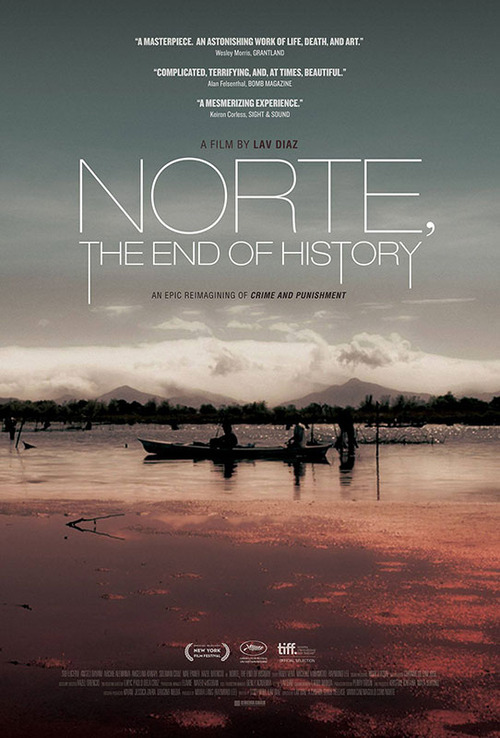
Jessica Zafra posed this question on her blog: Which of the characters in the Lav Diaz film Norte, Hangganan ng Kasaysayan (Norte, The End of History) is the most miserable—Fabian, Joaquin, or Eliza?

Is it the movie’s Raskolnikov and plot catalyst, Fabian, who may be evil incarnate? Is it Joaquin who was wrongly accused of murder and sentenced to life in Bilibid? Or is it Eliza, Joaquin’s wife, who almost killed herself and their children out of despair?

Fabian killing Magda, the moneylender in Fabian and Joaquin’s small town, and her daughter reminded me of Dumbledore’s quote about murder: “Killing is not nearly so easy as the innocent believe.” We saw Fabian manifest his inner turmoil throughout the film. He is miserable, but it’s misery caused by his guilt. In the end, Fabian would have probably found a way intellectualize his misery, and may even find it noble.

Eliza leads the most normal life among the three. Normal in the sense that she lives with her family, works, and deals with everyday problems. Her life is far from easy after Joaquin’s imprisonment. But unlike Fabian and Joaquin, she has something to live for. Eliza still believes that she is in control of her fate, no matter how hard it has been. And Eliza is not alone in this world unlike Fabian.

“We don’t have a hold of our lives,” says Joaquin’s fellow inmate. Joaquin is the most miserable because his hope for a better life depends upon the judgment of other people. Joaquin couldn’t have avoided getting his leg injured, but he could’ve avoided the things he did after, specifically, going to Magda and appealing  to her non-existent heart. He could’ve controlled himself and not have strangled the bitch. He could’ve chosen not to run away and face the consequences of his actions instead. These choices must haunt Joaquin when he’s locked in his cell. He is spending his days with the most hopeless people and—if they shot Joaquin’s scenes at the real Bilibid prison—in a dreadful environment. He also has nothing to distract him from the world he lives in, except making those small Christmas lanterns that Eliza loves.

Joaquin is the most miserable character because he is the person who hopes with the least possible chances of that hope coming true.

Norte screenings are extended until September 23. You can watch this world-class film at Trinoma, 12:10 pm and Glorietta, 12:30 pm.

Image via

Social Media for the Old and the Curious

Remember that fateful day when your mom or dad added you on Facebook? It was a gamechanger. Suddenly, you had to pay attention to what you post, learn how to tweak your privacy settings, and inform your friends when they shouldn’t tag you in photos. Unless your parent is like Amy Poehler’s character in Mean Girls, who’s “not a regular mom but a cool mom,” chances are you’re wary of what your relatives can see on your timeline.

Old people are embracing Facebook as if they were the original target audience of this platform. Aside from giving our daily dose of inspirational quotes, they’re also our main sources of information on how to detect when someone’s having a stroke and the health benefits of wheatgrass. And because they are active on Facebook, they start discovering that other social networking sites exist. So let me break it down for you, ladies and gents. To the old, the curious, and the newly initiated, this is how we do things online.

Facebook: THE Social Network

There are only three reasons not to have a Facebook account: 1) You live somewhere with no internet and/or computers; 2) You’re a psycho who wants to keep your trail of dead bodies hidden; 3) You think it makes you look cool not to have one. Simply put, everyone is on Facebook. And every day is like an online reunion with your parents, aunts and uncles, high school classmates you barely know, acquaintances you met at some event, and colleagues you regret adding up as “friends.”

With such diverse audience, you need to present yourself in a good light. Your bosses and people from your company’s human resources department can read whatever you post so work complaints aren’t encouraged. Unless you really want HR to know your dissatisfaction, then have at it. Or you can always create a separate account for your other personas (which is weird, by the way).

I used to regularly post witty status updates on Facebook. But since joining Twitter, I’ve moved most of my material on it.

Twitter: All the feelings

If you have an opinion on everything and believe you were a comedian in your previous life, then Twitter is for you.

The first question that old people always ask about Twitter is, “What is a hashtag?” So let’s get this out of the way immediately. First of all, a hashtag looks like this: #HeyThisIsAHashtag. You include a hashtag in your tweet when you want to participate in a specific discussion. Like, when Kris Aquino cried during the President’s recent State of the Nation Address. You could’ve tweeted “Kris Aquino is being a scene-stealer yet again” with the hashtag “#SONA2014,” and people would instantly understand what you’re talking about. Or say, “Grabe ang hangin! #GlendaPH” It gives a tweet context. You can also use a hashtag as a punchline, or to emphasize sarcasm or irony. There are even hashtag games. But let’s leave that to the pros.

You can tweet about anything as often as you want. You’re heartbroken? Feel free to share all your #feelz for the entire world to read. Having a busy day? Please let us know the details of each and every errand you had to accomplish. And nothing unites us better than sharing our miseries about rush hour traffic, flooded roads, corrupt politicians, and the UAAP Cheerdance Competition.

Unlike on Facebook, we welcome drama on Twitter. You see, on Facebook, when you ask someone to be your friend and he/she accepts your request, then you’re on equal footing because you’ve both agreed to “befriend” each other.

On the other hand, you don’t become friends on Twitter—you follow people. And the people you follow won’t necessarily follow you back; an implication of which is that the person you followed is not interested enough in what you have to say. So even the mere building of your following list is hinged on drama. And what if the person who used to follow you suddenly unfollows you? More drama! It’s a very passive-aggressive community.

But the one thing that may turn old people away from Twitter is its 140-character limit. I’ve worked with a lot of old people and brevity is not their thing. They could go on and on and on about their stories and you’ll get tired listening to them before they get tired of yakking. You’ll find yourself wondering how come they have so much more energy when you’re supposed to be the one brimming with youth and vigor.

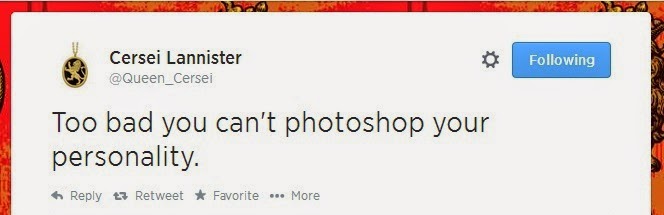
I love Twitter because of the parody accounts. My favorites are God and Cersei Lannister. Here are some choice tweets from the two to give you an idea on what kind of humor is prevalent on Twitter:

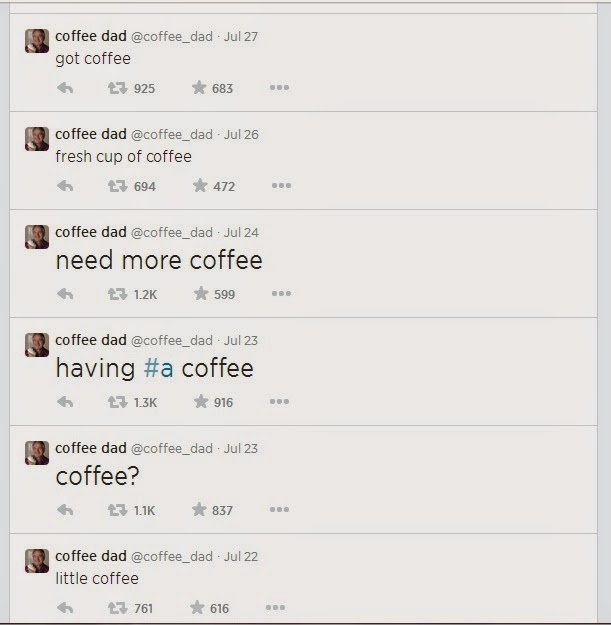
There are even accounts that tweet seemingly useless things but people dig that shit. If Justin Bieber can get a thousand retweets for a simple “Hey,” then why not Coffee Dad and his boundless love for coffee, right?

LinkedIn: I can’t believe they made a social network for work.

My Twitter timeline will make recruiters think twice before hiring me. So, future employers, let me direct you to my LinkedIn account.

If social networks were clothes, Twitter would be that faded t-shirt you love to wear because it’s so soft and comfortable, but is no longer appropriate to wear outside because its collar resembles bacon. LinkedIn, meanwhile, is that crisp white shirt you have to hand wash, bleach, and iron. And when you finally put it on, you restrict your movement because you don’t want it to get creased or spill things on it. I honestly wouldn’t have signed up on LinkedIn if it weren’t for work. It’s just basically a place where you upload your CVs, check out where your college classmates work, and build your professional network. (Eurgh.)

However, I do like reading informative articles on when and how to get a pay raise, figuring out the signs that you should quit your job, and what questions you should be asking your recruiter on a job interview. (What? No! How dare you insinuate such a thing. I LOVE my job!)

Instagram: http://www.selfies.com

Everything is awesome and beautiful on Instagram with the right filters. This site popularized selfies, as well as food and foot photos. There are a lot of articles and think pieces on selfies, and how capturing what’s happening in the moment takes you out of the moment.

I think selfies are great. I don’t understand why some people apologize for posting a selfie or feel like they have to preface their selfies with, “I don’t usually take selfies but…” What’s the big deal? I understand some people disapprove of how “overly directed” Instagram photos can be making them feel less “real” and not “in the moment,” but everyone is entitled to use the platform however they want to. If you’re not comfortable with other people’s self-love or self-expression through photography—professional or otherwise—then Instagram is not for you.

Tumblr: The top of Maslow’s hierarchy of human needs

Tumblr may be an alien world to old people, and I don’t blame them because only a few people my age are even on Tumblr. But I have to include it here because Tumblr is my happy place. I have barely any followers, but that’s where I usually find myself when I’m sad or uninspired. There’s always something on it that will make me smile and sometimes literally LOL about.

Tumblr is where I find new TV shows and movies to watch, new books to read, informative articles and blog posts on feminism, inspirational quotes that won’t make you hurl, writing prompts and tips, cute animals doing insanely cute things, and all the amazing gifs. What is a gif, you ask? This is a gif:

holding in a fart all day and finally getting home

And this is a gifset.

Tumblr is a gift. You just need to find and follow accounts that cater to your interests, and you will have a grand ol’ time.

I understand if you guys feel overwhelmed with all the possibilities these social networking sites present. The key is finding the one you need. If Facebook is already enough for you, then you don’t need to branch out. But if you feel like you’re missing out on something, then there might be another social networking site that would suit you. And it doesn’t have to be an either-or situation; you can have it all. Just be prepared to be distracted all the time.

Edited by Allan Policarpio

Images via, via, via, via, via

Mamihlapinatapai (O Paano Manghuli ng Sandali)

By Mara Lagunday

Alam mo kung ano ang maganda?

Iyong sandali ng pag-aalinlangan bago ang unang halik.

Siguro kung artist ako, gagawin kong libangan ang pag-iipon nun. Maghahanap ako ng mga mukhang bago pa lamang nag-iibigan. Gagala ako kung saan-saan: sa madidilim na sulok ng mga eskinita at parking lots, sa loob ng mga bakanteng silid-aralan, sa likod ng mga puno, pati sa pasilyo ng mga simbahan at monasteryo.

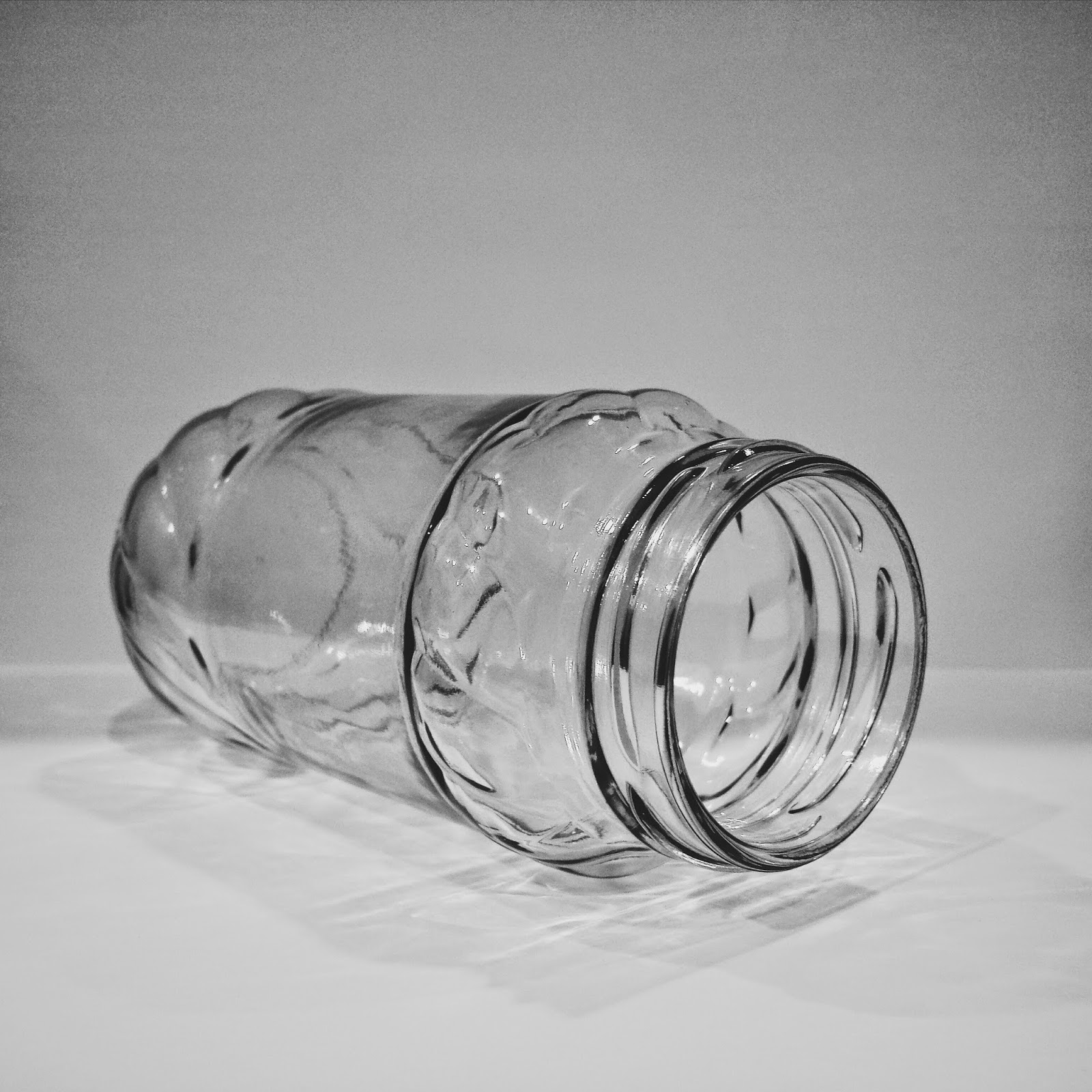
Magtatago ako at hihintayin ang pagpikit ng kanilang mga mata, ang unti-unting paglapit ng mga mukha sa isa’t isa. Tapos maglalakad ako nang dahan-dahan, tahimik, papalapit sa kanila at isisilid ang sandaling iyon sa isang maliit na garapon.

Kapag nakabuo na ako ng koleksyon, ipapakita ko sa buong mundo sa pamamagitan ng isang eksibit. Bawat isang garapon, may kwento.

Ito, nahuli ko ito sa pagitan nina A at B noong ika-12 ng Disyembre, 2008. Hindi sila magkasintahan. Ang alam lang nila, isang araw noong nakalipas na buwan, bigla na lang silang naglakad nang hawak ang kamay ng isa’t isa at nang hindi nalalaman kung bakit.

Simula noon, tuwing magkasama silang maglakad, lagi na silang naghahawak ng kamay (at bumibitaw sa tuwinang may makakasalubong na kakilala nila). Minsan, binabakas pa ng hintuturo ni A ang pekas sa kamay ni B.

Magkahawak-kamay silang naglalakad noon habang nagkukwentuhan tungkol sa napurnadang unang pag-ibig ni A na siya raw nagturo sa kanya kung paano ngumiti tuwing kukunan siya ng larawan (hindi raw kasi siya ngumingiti bago niya nakilala ang una niyang pag-ibig). Nagkumento bigla si B tungkol sa ngiti ni A, kung gaano siya naaaliw sa isang aspeto nito- kung paano mas mahaba nang bahagya ang ngiti sa kaliwang bahagi ng mukha niya.

Hindi na maalala ni B kung kailan niya ito unang napansin…

Ito `yun. Nahuli ko ito sa pagitan nina A at B noong ika-12 ng Disyembre, 2008. Hindi sila naging magkasintahan, ngunit mayroon sila nitong pinagsaluhang sandali.

Ito ang regalo ng Panginoon sa sangkatauhan.

Mamihlapinatapai (Or How to Capture a Moment)

You know what’s beautiful?

That moment of hesitation before a first kiss.

If I were an artist, I’ll make it my hobby to collect those moments. I will look for couples who are newly in love. I will look for them in places where they may be found: in dark alleys and parking lots, inside empty classrooms, behind the shades of trees, even in the halls of churches.

I will hide and wait for the moment when they close their eyes, and their faces gravitate toward one another. Then I inch closer, slowly, quietly, and when I am within reach, I will capture that moment and keep it in a jar.

Once I have a decent collection, I will show it to the entire world through an exhibit. Each tiny mason jar has its own story.

This? I captured it between A and B on the 12th of December in 2008. They weren’t a couple. All they knew was that one day in November, without knowing why, they started holding each other’s hands.

Since then, every time they walked, they held hands (and promptly released them whenever they bumped into someone they know). Sometimes, A would even trace the scars on B’s hand with his index finger.

They were holding hands when they talked about A’s first love that never came to fruition. This person taught A how to smile in pictures. B then started talking about A’s smile, how she finds one aspect of it endearing–how he smiles with the left side slightly longer than the right.

B could not remember when she first noticed this peculiar thing.

I captured this between A and B on the 12th of December in 2008. They did not end up together, but they shared this moment.

This is God’s gift to mankind.

Photo and translation by Jen Jalandoni

Five Years and Ten Minutes

“You never told me what happened between you and, well, you know…”

I smiled as Robert took another drag from his cigarette. Robert was a security guard. I hadn’t seen him for five years. He and his dog were my companions most of the days I spent outside this school. For the longest time they thought I would cause a ruckus somehow. The day Robert “figured me out,” as he would say, he became more cordial. He started offering me cigarettes when all the teachers had gone. The dog, however, never really liked me.

“She’s here, you know. I saw her come in,” said Robert.

I didn’t know what to say to this.

“Then maybe you get to find out the answer to your question tonight.”

I finished my cigarette and headed in. On the gate hung a banner: “Welcome back, Class of 2008!”

As I stepped inside the campus, the memory of the first time I saw her came flashing back. She was a freshman; I was a senior from a rival school. Her school was hosting the inter-collegiate Battle of the Bands, and I was performing for one of the competing groups. We met backstage. She was one of the production assistants handling “outsiders” like us. After we took the stage and played our cover of Matchbox 20’s “Unwell,” small talk led me to asking her out.

Our first date was the stuff of legends. I think some people still  believe that we did the trademark “Titanic pose” on a balcony on that date.

I started seeing her almost every day after that. I would stay outside the school gate for a couple of hours, waiting for her to finish her tutorial sessions. And then I’d get ten minutes of conversation with her…If I were lucky. Her driver would come by and pick her up, always on time. I’d have one last cigarette with Robert, then go home and think of her all night.

Every moment I spent with her was better than the last. It got a little scary, to be honest ,and I figured it was too good to be true. I was falling in love with her. And she told me she was, too. We shared our deepest fears, our greatest wishes, and our wildest dreams. We were going to see the world together.

It was perfect. I was hoping against hope that there wasn’t a catch somewhere.

There was.

I wouldn’t wish for my worst enemy to be told the things I was told that day.

“You’re ruining her life. She has so much ahead of her. What does she even see in you?”

“She deserves better.”

“She’s just humoring you.”

I wanted to know if she believed the things her family told me. I wanted to hear her say it. So I waited for her, like I always did.

She didn’t come.

And for a week I waited—and hoped. But she never showed up again.

I never got an answer to my question, “Is it true, what they said?”

But fate has a funny way of fucking with you when you least expect it. Our band got hired to play an intermission number in their batch’s reunion. I didn’t think it was possible to feel so many emotions at once, but there they were. I wanted to say no, but a part of me really wanted to in the off-chance that she’d be there. I convinced myself by saying that I could always use the extra money.

As I walked around the campus, I could see so many stories—lovers reunited, friends reconnected, old hatred dissipated. The food was mostly good. Some people even stopped me and said they remembered me: “You were the boyfriend, right?”

“Yeah, I was.”

“Yup. Was.”

“Nope. Haven’t heard from her.”

It was finally time to play. Before I could stop myself, I said, “This one’s for you. You know who you are. Wish you were here so we can talk. Wish you weren’t so you won’t see me make a fool of myself.”

Awkward laughter from the crowd.

The night deepened and the crowd started to thin. I was talking to the few who stayed. She was here. Was she still here? Probably not.

I stepped out of the gates and lit a cigarette.

“Hey.”

I turned around and there she was.

“Hey.”

“What have you been up to? I haven’t seen you since…”

“The usual.” I smiled. “The band’s still together. We’ve been playing everywhere. We just signed an international contract. You?”

“Well, I’m a dentist now. Your teeth are going to go bad with all that smoking, you know.”

“Then I’m lucky I have you to check them for me, yes?”

“Maybe. I’m moving to London some time next year.”

“Oh.”

We stood there awkwardly. There were so many things I wanted to say, so many things I wanted to ask. I felt guilty for blaming her for suddenly disappearing from my life. And now that she’s here, now that we’re talking, they all seem like bullshit.

We stood there in silence for what felt like forever.

“Hey, listen. I need to ask you something.”

“What is it?” she said, her eyes locked on mine.

“Is it…”

A honk. It’s that goddamned driver.

“I have to go.” She blushed and looked away.

“Five more minutes?”

“I can’t. You know how he gets.”

“Will I ever see you again?”

“Probably not.”

She turned and started walking toward her car. But I couldn’t let her leave without knowing, so I shouted, “Is it true, what they said?”

She froze, her hand lingering on the car’s door handle. She looked at me, tears streaming down her face. She went in and shut the door.

They drove off. I lit another cigarette.

Robert appeared by my side a few moments later. He put a hand on my shoulder. I could feel tears on my own cheeks.

“Ten minutes. Just like back in the day.”

“Yeah. Some things never change.”

“So you never told me what happened between you and, you know…?”

“Well, there are some questions that you don’t really get to find the answers to.”

And for the first time in five years, I was content. I tried to pet the dog, but it still hated me. I wanted to decline the cigarette that Robert offered, but I couldn’t. I wanted to know the answer, but I still didn’t. I bade goodbye, and started walking home.

Some things just never change because they are never meant to. Some things you get answer to, and some things you just never do.

Photo by Elaine Tacubanza

Edited by Jen Jalandoni

Interview with an Ugly Vampire

Profile: Constantine A., The “Ugly” Vampire

By Ivan Walker

Constantine is not really what you’d call ugly. He has a slightly long face and a strong jaw line that’s lopsided, which gives the impression that he always has his head cocked to one side. It doesn’t help that when he talks, his lower lip leans toward the same direction. He has a high and straight nose bridge but with bulbous nostrils. His hair, swept to one side, covers the left part of his wide forehead. And he has the dullest hazel eyes I have ever seen, probably owed to the fact that he’s dead or because he never blinks.

At best, Constantine looks average-looking. With his greyish-green tweed jacket he wore with his white shirt and blue jeans, you could easily mistake him for a human, except for his deathly pallor, the kind you only see in people inside coffins or those who are on their way in one.

Ever since their existence was made known to the public and with the Vampires-Humans Peace Treaty being signed two years ago, prominent vampire personalities have been featured in different news outlets and online portals as ambassadors of their race with relative success. Now that people are more used to the idea of vampires walking among them, which they have done for centuries without us knowing, we put a spotlight on one vampire whose claim to uniqueness is how ugly he is.

* * *

Constantine A: Is this your first time interviewing a vampire?

Ivan Walker: Yes.

CA: Are you afraid?

IW: A little bit. Is it that obvious?

CA: I can see your jugular vein throbbing at a faster rate than the norm.

IW: (I instinctively covered my neck with both hands in a protective gesture.) Sorry. My mom is freaking out too.

CA: You and your mother have nothing to worry about. Before going here, I drank one of those lovely packs of blood your office sent to me early this evening.

IW: It’s a comfort to hear how much they care about both of our well-beings. Let’s start while you’re still full then. How did you become a vampire?

CA: I’m always appreciative when people skip the small talk. Well then, I became a vampire because of a dare. My mother, my creator, had a reputation of choosing only exceptionally beautiful people to turn into vampires. Traditionally, vampires believed that we are superior to humans. Extremists even believe that we’re gods. And all gods should be beautiful.

But through the ages, that extremist belief slowly died but the reverence in beauty remained. And there is a practicality to that. As you probably already know, we don’t have hypnotic powers as portrayed by some of your literature. Our representatives have repeated it over and over again in their press releases. So my mother believed that being attractive was the next best thing. A lot of vampires share this belief.

On July 20, 1827, during the Reckoning Day, I got turned.

IW: What’s the Reckoning Day?

CA: It’s sort of a vampire “holiday,” as you’d like to call it, where families gather every 50 years to commemorate the first recorded event of a vampire going up in flames under the sun. My mother’s siblings teased her about her beautiful children and dared her to create an ugly vampire. Shallow and pettish being that she is, she wanted to prove that she could do it.

I visited a friend that night. We had a lengthy discussion about opening a shop to sell spectacles and didn’t notice the lateness of the hour. As I was walking home, my mother, who was walking the opposite direction stopped and asked for directions to St. James Cemetery. She appeared distressed but still a sight to behold. I offered to walk her there because I didn’t want to leave her alone in her state. It is also very rare that a lady would look in my direction, with good reason as you can see for yourself, so I wanted to be in the company of this beautiful woman as long as she’d have me.

She talked very little and occasionally sobbed as we walked to the cemetery. I respected her mourning by not asking questions. When we got to the grave of her supposed husband, she sobbed harder and louder. I remember being at a loss on whether I should put my arm around her, or possibly even hold her hand. She quieted down after a few minutes and then she put her head on my shoulder. And then she faced me.

I was scared when I saw her face in full. There really was no other way to describe it. She looked dead, but still incredibly beautiful. I was startled when she kissed me, partly because of her cold lips but mostly because I have never been kissed before. I was frozen. And then she started kissing my eyes, my cheeks, my face, and finally my neck. And the rest, as they say, is history.

IW: We’ve already heard a lot from the likes of Charles Raleigh, Mary Celestine d’Ivri, and other vampire ambassadors on what it’s like to turn into a vampire. Other than the physical changes, what other transitions did you have to go through?

CA: For me, it was adjusting to the culture of vanity. I was never fascinated with my looks, even when I was human, because there was nothing impressive to see. But for my beautiful brothers and sisters, and my mother of course, they could put any teenager to shame with the inordinate amount of selfies they take.

We’ve shared that we are capable of greater speed and strength than the average human, but what they don’t like disclosing during interviews is that if we get hurt or maimed or even scratched, those physical manifestations are permanent. And you know permanent for us means centuries.

IW: So it’s like in the movie “Death Becomes Her” when Goldie Hawn had that hole in her stomach?

CA: Yes. Very much like that film. And so, this combination of vanities that they already had when they were alive and beauty being an advantage to attract humans consumes vampires.

It is not unknown to us that some vampires would willingly burn themselves by walking in daylight just because they have injured their faces or bodies. They would rather die than be ugly.

IW: It’s true that I’ve never seen an ugly vampire.

CA: Present company excluded.

IW: I refuse to comment on that. (I nervously laugh at this point.) But yes, all the vampires being interviewed on TV are beautiful, even the men. I’m actually obsessed with Mary Celestine. She is beyond stunning. Whoever decided to make her one of your representatives was spot on. I mean, really good job. She is basically a goddess. For vampires like her, what lengths would she go to maintain her allure?

CA: Most vampires I know have other vampires dress them and put on their make-up just like your celebrities. I know of some who have surgeons but they only perform very minor surgeries on account of our inability to heal.

IW: How about you? Do you have any beauty rituals?

CA: None, except maybe that I own a headless mannequin custom-made to my measurements. I put my clothes on it before I wear them. So I guess I do have some vanities.

IW: That is surprising. Also, I’m glad I finally got a smile out of you. Those look like really sharp fangs, by the way.

Given that you’ve gone through a lot of fashion eras, which one was your favorite?

CA: I don’t think I have a particular favorite era. But I had the easiest time dressing myself during the 1920s because the clothes were just like a revision of what men wore in the 1800s.

IW: And what was the hardest era to dress for?

CA: The hardest era was definitely the sixties. I wasn’t comfortable with all the psychedelic prints, tight pants, fringe vests, and the general flamboyance. But the hippies were almost always high so they’re easy preys. Dressing like them helped me blend in.

During the Summer of Love in ‘67 and Woodstock, I told people that I have this new drug that had to be administered through their necks. A lot of vampires feasted during those times.

IW: What fills your immortal time? Do you do anything for recreation?

CA: Like we keep repeating, we’re not immortal. We’re just very articulate zombies who can die a second death. I even believe that our “immortality” is such a waste because we spend half of our time sleeping.

And to answer your question, I’m a licensed embalmer at a morgue. I’m also taking classes, night classes, on medicine and forensic science to become a coroner.

IW: You’ve come full circle then. Is it hard to find a job as a vampire?

CA: It was actually easier finding a job when we were underground. I’d usually tell employers that I already have a morning job so I can only work nights. I look like I’m always tired anyway so they believed me.

But now once they know I’m a vampire, they ask so many questions. There’s a lot of paperwork you have to sign and requirements you have to submit. They’re very apprehensive hiring vampires when the job involves working with humans. At least at the morgue, they don’t have to worry about me sucking the clientele’s blood.

IW: Do you watch vampire movies or TV series?

CA: I do. “Interview with the Vampire” is actually one of my favorites because it’s the first mainstream movies that tried to see the other side of vampirism. We have been in discussions with the government for decades now about the issues of “living” in the open and announcing our existence. The public did not know this, but when the movie was released, we were at the tipping point of the Vampires-Humans Peace Treaty.

The most far-fetched thing I’ve watched about vampires is “True Blood.” We don’t have sex like that. In reality, we almost don’t have sex anymore. We can’t really afford to direct the limited amount of blood we have to something unproductive. And for female vampires, they don’t want to ruin the shape of their vaginas for temporary pleasure.

I have no comparison between human sex and vampire sex because I was a virgin when I got turned. But when I did find someone willing to lay with me, I almost regretted it. I’ve never felt so vulnerable.

IW: In your almost-200 years of existence, what is the craziest thing you’ve seen?

CA: The crazy memories all kind of meld into each other that you’re never sure if it even happened that way. The thing that I’m remembering right now is during the Great Depression, I saw a frail, withering-looking man slumped on the street in one of those Hooverville towns. He beckoned me and told me he was looking for me. He wasn’t in his right mind anymore. I knew he’s dying so I took advantage and fed on him. Then people slowly started coming out of their shacks and surrounded us. I don’t know why I didn’t run. I could’ve easily outran them.

Then I realized they weren’t looking at me. They were looking at the man. They thought I was one of them, that I was just the first one to act on what they’ve been thinking of doing. Then the man shouted, “He is my son! He is my son!” I carried him in my arms and escaped the mob.

Once we got to a secluded place, I continued feeding on him. Then he stroked my head and said in a feeble voice, “After you’re done, don’t forget to take me to your sister. She also needs to eat.”

Status Update

Hello, you guys. Here I am again, trying something new. Last time I did a whole series of fashion posts which went way better than expected so thank you for reading those. It was a blast. This time I’m going to try my hand at fiction.

It’s daunting because for fiction, you’re basically creating a new world from scratch. It feels god-like, but also really scary. You have to bring life to characters by just imagining their history, problems, and insecurities which may be totally different from you own. And on top of it, the reader has to feel something. So no pressure, I guess.

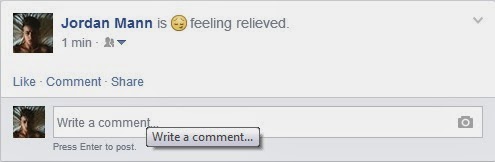
I should really get to work. Here’s a very short story about Kim, Jordan, and breaking up in the era of social media.

A cryptic tweet, how typical. I wonder if any of my friends will reply to it. I kinda want them to, but at the same time I don’t, which really contradicts the whole idea of tweeting about it. You still follow me on Twitter so I hope you read it. But if I’m being honest, my “official” breakup tweet is more for me than anyone else—to start coming to terms that it’s actually over.

When did we start talking about important life events in tweets and status updates? It’s as if we have this fear that if we don’t let people know of the things we do, then they didn’t really happen. If I erase all traces of you in my social media accounts, does that mean our relationship wasn’t real?

My pride never allowed me to tell you this, but toward the end, I felt that you liked my posts and photos because you only felt obligated. Then that obligatory likebecame an obligatory “I love you,” an obligatory date, an obligatory kiss. Well, at least now you don’t have to do those things anymore.

I don’t want to see your posts, but I don’t want to appear that I can’t handle you moving on with your life either.

I scrolled through our messages on Facebook—all 20,755 of them—from the very first time we chatted. How many of those were because of a fight?

I should delete all these. But then I think if I read all of them again, I could find the exact moment when things started to go wrong. I want to know the time stamp for that.

That’s the last thing I see in our conversation. It’s glaring at me, taunting me with its finality.

“Seen” is such a weird word. How can it stand on its own like that? I want to be that word. I want to make sense on my own. I don’t want to need some other person to validate me.

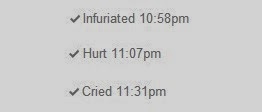
But what I really want is for Facebook chat to sense what we actually feel. If it worked that way, instead of merely saying “Seen,” this is what you’d see in your chat box:

I wish our break-up were more poetic or romantic. I want to tear up love letters but all I have are text messages and call logs. I want to burn photos of us, see it slowly turn into ashes, and let the smell be the only memory that lingers. But all I do instead is angrily click “Delete” over and over again, fighting back tears as I remember those captured moments. I’m afraid of finally deleting the last photo because then everything will be as if it never happened, like a status update I failed to post.

Edited by Allan Policarpio and Elaine Tacubanza

Images via, via